

Prevention
What Does Prevention Look Like?
Body dissatisfaction, especially weight concern, is the strongest predictor of disordered eating and eating disorders.
Body dissatisfaction can also contribute to weight gain when extreme weight control practices lead to binge eating. Through media and advertising, we are continually exposed to an unhealthy ideal and many feel the pressure to conform to this ideal.
Families, schools, and health care professionals are in an excellent position to bring about positive changes in society today. They can help promote positive body image, eliminate weight bias and stigma, and foster a balanced, healthy approach to eating and activity.

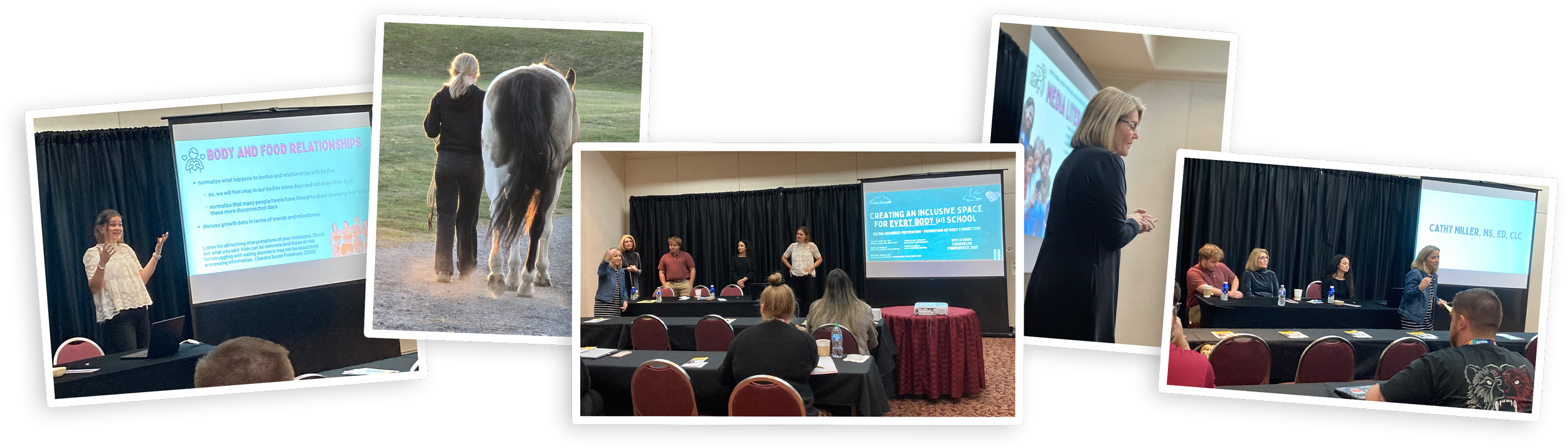
How You Can Help
Connecting for Change
Determined by one's physician, in-patient treatment is used when an individual requires medical intervention resulting in a hospital stay.
Social Change
Working to change community systems, norms and practices
Raising Awareness
Community awareness regarding eating disorder prevention, treatment, and research, is hugely important to support people who are struggling with this disease.
Self Care
Acquiring skills for healthy living, self-esteem, and positive body image.
Additional Resources
(not part of WNYCCCED)
-
The Body Project
A group-based intervention that provides a forum for high school girls and college aged women to confront unrealistic appearance ideals and develop healthy body image.
-
National Eating Disorders Association
NEDA provides valuable web based toolkits for educators, parents, and coaches that offer a wealth of information about eating disorders, treatment and insurance options.
-
Risk Factors
Learn more about eating disorder risk factors from the National Eating Disorders Association.
-
Signs & Symptoms
Learn more about eating disorder signs and symptoms from the National Eating Disorders Association.
-
Media & Body Image
Learn more about media, body image and eating disorders from the National Eating Disorders Association.
-
NEDA Educator Toolkit
For educators, staff who work in a school setting or those who work with youth outside of school
-
NEDA Parent Toolkit
For anyone who wants to understand more about how to support a family member or friend affected by an eating disorder
-
NEDA Coach & Trainer Toolkit
For staff who work in gyms, school settings, outside athletic groups, dance studios, etc. who would like to know how to support athletes who may be affected by eating disorders
-
FEAST
FEAST (Families Empowered and Supporting Treatment of Eating Disorders) walks alongside families as they navigate the challenges of their loved one’s eating disorder, providing transformative peer support, education, empowerment, and community through free programs and services.
-
Workshops & Trainings
Workshops and training for schools, providers, and community groups to better understand and support eating disorders.
-
Support Groups
These free, monthly meetings are for families and support people and are facilitated by WNYCCCED leadership and staff.